The importance of fertilization for healthy plant growth in Cairns
Fertilization is a crucial aspect of maintaining a healthy, vibrant garden in Cairns’ tropical climate. While our region’s warm temperatures and abundant rainfall can create ideal growing conditions for many plants, the high humidity and heavy downpours can also lead to nutrient leaching and soil depletion over time. This is where regular fertilization comes in.
At Green Haven Cairns Landscaping, we know that providing your plants with the right nutrients at the right times is key to promoting strong, healthy growth, abundant blooms, and lush, green foliage. However, with so many different fertilizer options and application methods available, it can be overwhelming to know where to start.
In this article, we’ll demystify the process of fertilizing your Cairns garden by explaining the importance of understanding your soil’s unique characteristics, exploring the different types of fertilizers available, and providing expert tips on choosing the right products and timing for your specific plants. By the end, you’ll have the knowledge and confidence to create a tailored fertilization plan that keeps your garden thriving year-round.
Understanding Cairns’ soil: Common deficiencies and nutrient requirements
Before we dive into the world of fertilizers, it’s important to first understand the unique characteristics and challenges of Cairns’ soil. Our region’s soil is generally classified as a red ferrosol, which is a type of clay loam that is high in iron and aluminum oxides. While this soil type can be rich in some nutrients, it is also prone to certain deficiencies and imbalances that can affect plant growth.
Some common soil issues in Cairns include:
- Acidity: Cairns’ high rainfall and humid climate can lead to soil acidification over time, which can make it difficult for plants to absorb certain nutrients, such as phosphorus and calcium.
- Nutrient leaching: Heavy rainfall and frequent irrigation can cause water-soluble nutrients, such as nitrogen and potassium, to leach out of the soil more quickly, leading to deficiencies.
- Low organic matter: Due to the rapid decomposition of organic matter in Cairns’ warm, moist conditions, our soil can be naturally low in this important component, which helps retain nutrients and improve soil structure.
- Micronutrient deficiencies: Cairns’ soil may be prone to deficiencies in certain micronutrients, such as zinc, boron, and manganese, which are essential for healthy plant growth and development.
To address these issues and ensure that your plants are getting the nutrients they need, it’s important to choose fertilizers that are specifically formulated for Cairns’ unique soil conditions and climate. This may involve products with higher levels of certain nutrients, slow-release formulations to reduce leaching, or soil amendments to improve pH and organic matter content.
Types of fertilizers: Organic and synthetic options suitable for Cairns’ gardens
When it comes to fertilizing your Cairns garden, you have two main categories of products to choose from: organic and synthetic fertilizers. Each type has its own advantages and disadvantages, and the best choice for your garden will depend on your specific plants, soil conditions, and personal preferences.
Organic fertilizers are derived from natural sources, such as plant and animal byproducts, and are generally slower-acting and longer-lasting than synthetic options. Some popular organic fertilizers for Cairns gardens include:
- Compost: Made from decomposed organic matter, compost is a nutrient-rich soil amendment that can improve soil structure, water retention, and microbial activity.
- Manures: Animal manures, such as cow, chicken, or horse manure, can provide a good balance of nutrients and organic matter to the soil, but should be well-aged to avoid burning plants.
- Blood and bone meal: These byproducts of the meat industry are high in nitrogen and phosphorus, respectively, and can be a good choice for heavy feeders like vegetables and fruit trees.
- Seaweed extracts: Derived from marine plants, seaweed extracts are rich in trace elements and growth hormones that can promote healthy root and foliage development.
Synthetic fertilizers, on the other hand, are manufactured from inorganic compounds and are designed to provide plants with a quick boost of specific nutrients. Some common synthetic fertilizers for Cairns gardens include:
- Slow-release granules: These coated pellets are formulated to release nutrients gradually over several months, reducing the risk of leaching and providing a steady supply of nutrition to plants.
- Water-soluble powders: Dissolved in water and applied as a liquid feed, these concentrated fertilizers can provide plants with an immediate nutrient boost and are ideal for correcting deficiencies.
- Controlled-release prills: Similar to slow-release granules, these small, round pellets are designed to release nutrients at a predetermined rate based on temperature and moisture levels.
When selecting fertilizers for your Cairns garden, consider factors such as the specific nutrient requirements of your plants, the pH and organic matter content of your soil, and the ease and frequency of application that fits your lifestyle and maintenance preferences. A mix of both organic and synthetic fertilizers can often provide the best of both worlds, offering both long-term soil benefits and targeted nutrition for optimal plant growth.
Nutrient requirements: Essential elements for Cairns’ native plants and flowers
While all plants require a balance of essential nutrients to thrive, the specific requirements can vary depending on the species, growth stage, and environmental conditions. In Cairns, our native plants and flowers have evolved to thrive in our region’s unique soil and climate, and understanding their nutrient needs can help you choose the right fertilizers to keep them looking their best.
Some key nutrients that are especially important for Cairns’ native plants include:
- Nitrogen (N): Essential for leafy growth and chlorophyll production, nitrogen is often the most limiting nutrient in Cairns’ soil due to its high mobility and susceptibility to leaching. Native plants that are heavy nitrogen feeders include Hibiscus, Callistemon, and Syzygium species.
- Phosphorus (P): Important for root development, flower and fruit production, and overall plant vigor, phosphorus can be less available in Cairns’ acidic soil. Native plants that have higher phosphorus requirements include Grevillea, Banksia, and Leptospermum species.
- Potassium (K): Crucial for plant stress tolerance, disease resistance, and fruit quality, potassium can also be prone to leaching in Cairns’ high rainfall conditions. Native plants that benefit from additional potassium include Eucalyptus, Melaleuca, and Xanthorrhoea species.
- Calcium (Ca): Essential for cell wall development, root growth, and nutrient uptake, calcium can be less available in Cairns’ acidic soil. Native plants that have higher calcium requirements include Corymbia, Pandanus, and Doryanthes species.
- Magnesium (Mg): Important for chlorophyll production, enzyme activation, and overall plant health, magnesium can be prone to leaching in Cairns’ sandy or highly weathered soils. Native plants that benefit from additional magnesium include Acacia, Brachychiton, and Carpentaria species.
In addition to these macronutrients, Cairns’ native plants also require a range of micronutrients, such as iron, manganese, zinc, and boron, which are essential for various plant functions but are needed in smaller quantities. When selecting fertilizers for your native plants, look for products that contain a balanced blend of both macro and micronutrients, and consider using soil amendments like compost or rock dust to provide a slow-release source of essential elements.
Fertilization timing: Best practices for applying fertilizers throughout Cairns’ growing seasons
Knowing when to fertilize your Cairns garden is just as important as choosing the right products, as applying nutrients at the wrong times can lead to poor plant growth, wasted resources, or even environmental damage. In general, the best time to fertilize your plants is when they are actively growing and have the highest nutrient demands, which can vary depending on the species and the time of year.
Here are some general guidelines for fertilizing your Cairns garden throughout the year:
- Spring and early summer: This is the peak growing season for many plants in Cairns, as the increasing day length and warmer temperatures stimulate new growth and flowering. Apply a balanced, slow-release fertilizer to your garden beds and containers in early spring, and follow up with additional applications every 6-8 weeks throughout the season for heavy feeders like annuals, vegetables, and fruiting plants.
- Late summer and fall: As the weather starts to cool down and the days get shorter, plant growth naturally slows down and nutrient demands decrease. Reduce the frequency and amount of fertilizer applications during this time, and avoid fertilizing too late in the season, as this can stimulate tender new growth that is vulnerable to cold damage.
- Winter: While Cairns’ winters are generally mild and frost-free, many plants still go through a period of dormancy or reduced growth during this time. Avoid fertilizing most plants in winter, except for cool-season annuals or vegetables that may benefit from a light application of a balanced fertilizer.
- Year-round: Some plants in Cairns, such as tropical fruit trees, palms, and indoor plants, may have year-round nutrient demands and benefit from regular fertilization throughout the year. For these plants, use a slow-release or organic fertilizer that provides a steady supply of nutrients without overwhelming the plant.
In addition to these seasonal guidelines, it’s also important to consider the specific growth stages and needs of your plants when timing your fertilizer applications. For example, flowering plants may benefit from a higher phosphorus fertilizer just before blooming, while fruiting plants may need additional potassium as the fruit develops. Always read and follow the label instructions on your fertilizer products, and adjust the application rates and frequency based on your plants’ individual needs and growing conditions.
Slow-release vs. liquid fertilizers: Pros and cons for Cairns’ gardeners
When it comes to applying fertilizers to your Cairns garden, you have two main options: slow-release granules or prills that provide a gradual, long-lasting supply of nutrients, or liquid fertilizers that offer a quick, short-term boost of nutrition. Each method has its own advantages and disadvantages, and the best choice for your garden will depend on your specific plants, soil conditions, and maintenance preferences.
Slow-release fertilizers:
Pros:
- Provide a steady, consistent supply of nutrients over several months
- Reduce the risk of over-fertilization and nutrient burn
- Minimize nutrient leaching and runoff in Cairns’ high rainfall conditions
- Require less frequent applications and save time and labor
Cons:
- May be more expensive than liquid fertilizers on a per-application basis
- Can take longer to see initial results and correct nutrient deficiencies
- May not provide enough nutrients for heavy feeders or fast-growing plants
- Can be difficult to adjust application rates or target specific plants
Liquid fertilizers:
Pros:
- Provide an immediate boost of nutrients to plants
- Can quickly correct nutrient deficiencies or stimulate growth
- Allow for easy adjustment of application rates and targeting of specific plants
- Can be applied directly to foliage for faster uptake and results
Cons:
- Require more frequent applications and can be time-consuming
- Can easily lead to over-fertilization and nutrient burn if not used carefully
- Are more susceptible to leaching and runoff in Cairns’ high rainfall conditions
- May not provide long-term nutrient supply or soil benefits
In practice, many Cairns gardeners find that using a combination of both slow-release and liquid fertilizers can provide the best results, offering both long-term nutrient supply and targeted, quick-acting nutrition when needed. For example, you might apply a slow-release fertilizer to your garden beds at the beginning of the growing season, and then use a liquid fertilizer every few weeks to give your plants an extra boost during periods of active growth or flowering. As always, be sure to read and follow the label instructions on your fertilizer products, and adjust your applications based on your plants’ specific needs and growing conditions.
Application methods: Tips for even distribution and minimal waste in Cairns gardens
Proper fertilizer application is key to ensuring that your plants receive the nutrients they need without wasting products or causing environmental damage. Here are some tips for applying fertilizers evenly and efficiently in your Cairns garden:
- Use the right tools: Invest in high-quality fertilizer spreaders, measuring cups, and mixing containers to ensure accurate and consistent application rates. For granular fertilizers, use a broadcast spreader for larger areas and a handheld spreader for smaller beds or containers. For liquid fertilizers, use a watering can with a fine rose attachment or a hose-end sprayer for even coverage.
- Follow the label instructions: Always read and follow the application rates and frequencies recommended on your fertilizer product labels, and adjust them based on your specific plants and soil conditions. Over-fertilizing can lead to nutrient burn, leaching, and runoff, while under-fertilizing can result in poor plant growth and health.
- Apply to moist soil: Water your garden thoroughly before applying granular or liquid fertilizers to help the nutrients dissolve and distribute evenly throughout the soil. Avoid applying fertilizers to dry or waterlogged soil, as this can lead to uneven distribution and nutrient loss.
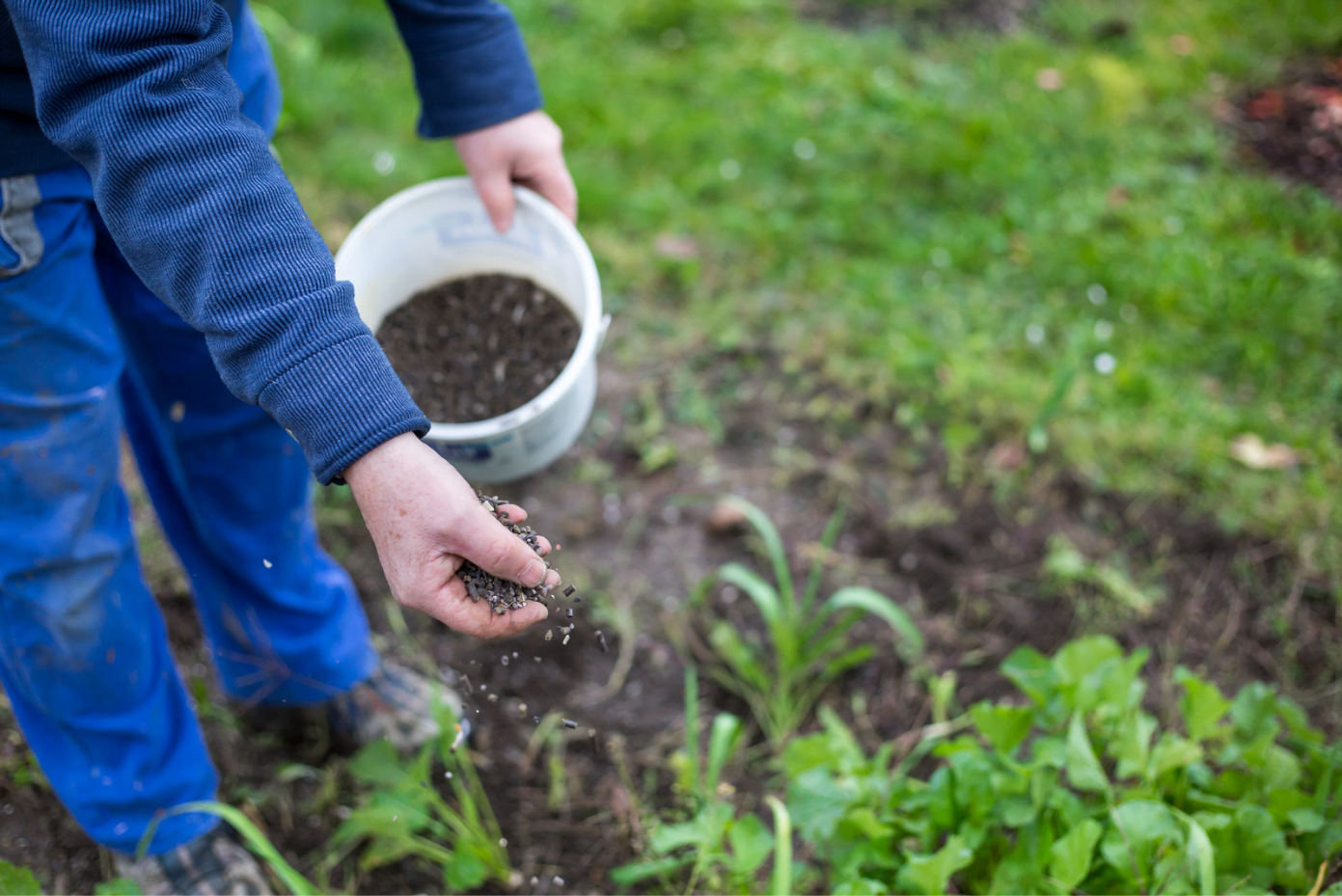
- Spread evenly: When applying granular fertilizers, use a consistent walking speed and overlapping passes to ensure even coverage across the entire area. Avoid spreading fertilizer on windy days, as this can lead to drift and uneven distribution.
- Water in well: After applying granular fertilizers, water your garden thoroughly to help the nutrients dissolve and move down into the root zone. For liquid fertilizers, avoid watering immediately after application, as this can dilute the nutrients and reduce their effectiveness.
- Avoid runoff: When applying fertilizers near hard surfaces like driveways, sidewalks, or gutters, use a drop spreader or a protective barrier to prevent the products from washing away and contributing to nutrient pollution in waterways.
- Monitor and adjust: Keep an eye on your plants’ growth and appearance after fertilizing, and adjust your application rates or frequencies as needed based on their response. Signs of over-fertilization include leaf burn, wilting, or excessive growth, while signs of under-fertilization include yellowing leaves, stunted growth, or poor flowering.
By following these tips and using a combination of slow-release and liquid fertilizers as needed, you can provide your Cairns garden with the optimal nutrition it needs to thrive while minimizing waste and environmental impact.
Cairns-specific considerations: Adapting fertilization practices to the region’s unique climate
Fertilizing your garden in Cairns requires a slightly different approach than in other regions due to our unique tropical climate and soil conditions. Here are some specific considerations to keep in mind when adapting your fertilization practices to Cairns:
- High rainfall and leaching: Cairns receives an average of over 2,000 mm of rainfall per year, which can lead to rapid leaching of water-soluble nutrients like nitrogen and potassium from the soil. To minimize nutrient loss, use slow-release or controlled-release fertilizers that provide a gradual supply of nutrition over several months, and avoid over-applying water-soluble products.
- Humid and warm conditions: Cairns’ high humidity and warm temperatures can accelerate the breakdown and release of nutrients from organic fertilizers like compost and manures, leading to a faster-acting but shorter-lived supply of nutrition. To maintain a consistent nutrient supply, use a combination of both organic and synthetic slow-release fertilizers, and apply them more frequently but at lower rates than in cooler, drier climates.
- Acidic soil: Many of Cairns’ native soils are naturally acidic, with a pH below 6.5, which can reduce the availability of certain nutrients like phosphorus, calcium, and magnesium to plants. To optimize nutrient uptake, consider using fertilizers that are specially formulated for acidic soils, or apply lime or dolomite to raise the pH to a more neutral range of 6.5-7.0.
- Micronutrient deficiencies: Due to the high weathering and leaching of Cairns’ soils, some micronutrients like iron, manganese, and zinc may be in short supply, leading to plant deficiencies and poor growth. To prevent or correct these issues, use fertilizers that contain a balanced blend of both macro and micronutrients, or apply foliar sprays of chelated micronutrients directly to the leaves for faster uptake.
- Environmental sensitivity: Cairns’ proximity to the Great Barrier Reef and other sensitive aquatic ecosystems means that it’s especially important to use fertilizers responsibly and avoid excess nutrient runoff and pollution. Follow best management practices like using the minimum amount of fertilizer needed, avoiding application before heavy rain, and planting buffer strips of deep-rooted vegetation near waterways to absorb excess nutrients.
By keeping these Cairns-specific considerations in mind and adapting your fertilization practices accordingly, you can provide your plants with the optimal nutrition they need to thrive in our unique tropical environment while minimizing any negative impacts on the surrounding ecosystem.
Frequently Asked Questions: Fertilization queries commonly asked by Cairns residents
How often should I fertilize my Cairns garden?
The frequency of fertilization will depend on the specific plants you are growing, their growth stage and nutrient demands, and the type of fertilizer you are using. As a general rule, most Cairns gardens will benefit from fertilization every 6-8 weeks during the active growing season (spring through fall), using a combination of slow-release and liquid fertilizers as needed. However, some heavy feeders like fruit trees, palms, and flowering annuals may require more frequent applications, while some low-maintenance native plants may only need fertilization once or twice a year.
What is the best fertilizer for Cairns’ native plants?
The best fertilizer for Cairns’ native plants will depend on the specific species you are growing and their individual nutrient requirements. In general, look for a slow-release, organic-based fertilizer that contains a balanced blend of macro and micronutrients, with an NPK ratio of around 5-5-5 or 10-10-10. Some good options include pelleted chicken manure, composted cow manure, or a specialized native plant fertilizer that is formulated for Cairns’ soil conditions. Avoid using high-nitrogen fertilizers or those that are designed for exotic or introduced plants, as these may encourage excessive growth and reduce the plants’ natural hardiness and drought tolerance.
Can I use the same fertilizer for all my plants in Cairns?
While it may be tempting to use a one-size-fits-all approach to fertilizing your Cairns garden, different plants have different nutrient requirements and may benefit from specialized fertilizers that are tailored to their specific needs. For example, flowering plants may require a fertilizer with a higher ratio of phosphorus to encourage blooming, while fruiting plants may benefit from a fertilizer with a higher ratio of potassium to improve fruit quality and yield. Similarly, acid-loving plants like azaleas and gardenias may require a fertilizer that is specifically formulated for low pH soils, while plants that are prone to iron deficiencies may benefit from a fertilizer that contains chelated iron. When in doubt, consult the label instructions on your fertilizer products or ask a knowledgeable nursery or garden center staff for recommendations based on your specific plants and growing conditions.
How do I know if my plants need fertilization?
There are several signs that your plants may be in need of fertilization, including:
- Yellowing or pale green leaves, especially on the lower or older growth
- Stunted or slow growth, with small or sparse leaves and stems
- Poor flowering or fruiting, with few or no blooms or small, misshapen fruits
- Increased susceptibility to pests and diseases, with more frequent or severe infestations
- Soil tests that indicate low levels of essential nutrients like nitrogen, phosphorus, or potassium
If you notice any of these signs in your Cairns garden, it may be time to start a regular fertilization program or adjust your existing one to better meet your plants’ needs. However, keep in mind that some of these symptoms can also be caused by other factors like poor drainage, incorrect watering, or environmental stress, so it’s important to rule out these issues before assuming that fertilization is the solution.
Can I over-fertilize my plants in Cairns?
Yes, it is possible to over-fertilize your plants in Cairns, and doing so can lead to a range of problems including:
- Nutrient burn, with brown or crispy edges on the leaves and stems
- Excessive growth, with weak or spindly stems and reduced flowering or fruiting
- Salt buildup in the soil, with white crusty deposits on the surface and reduced water uptake by the roots
- Nutrient imbalances, with deficiencies or toxicities of certain elements like calcium, magnesium, or boron
- Environmental pollution, with excess nutrients leaching into groundwater or running off into nearby waterways
To avoid over-fertilizing your plants in Cairns, always follow the label instructions on your fertilizer products and use the minimum amount needed to achieve the desired results. When in doubt, it’s better to under-fertilize than to over-fertilize, as it’s easier to add more nutrients later than to remove them from the soil. If you suspect that you may have over-fertilized your plants, flush the soil thoroughly with water to help leach out the excess nutrients and monitor the plants closely for signs of recovery or stress.
Emphasizing Green Haven Cairns’ expertise in providing tailored fertilization solutions for Cairns gardens
At Green Haven Cairns Landscaping, we understand that fertilization is both an art and a science, requiring a deep understanding of Cairns’ unique soil and climate conditions as well as the specific needs and preferences of your plants. With years of experience in designing and maintaining lush, vibrant gardens throughout the region, our team of expert horticulturists and landscape professionals has the knowledge and skills to create tailored fertilization solutions that will keep your garden thriving year-round.
Whether you’re looking to establish a new garden from scratch, revitalize an existing landscape, or simply maintain the health and beauty of your current plants, we can help. Our comprehensive range of fertilization services includes:
- Soil testing and analysis to identify any nutrient deficiencies or imbalances
- Customized fertilization plans based on your specific plants, soil type, and growing conditions
- Selection and application of high-quality, eco-friendly fertilizers that are tailored to Cairns’ tropical climate
- Regular monitoring and adjustment of fertilization programs to ensure optimal plant health and growth
- Expert advice and guidance on fertilization best practices, including timing, application methods, and environmental stewardship
With our help, you can take the guesswork and hassle out of fertilizing your Cairns garden and enjoy the lush, vibrant landscape of your dreams. So why wait? Contact Green Haven Cairns Landscaping today to schedule a consultation and discover how our tailored fertilization solutions can help your garden thrive. We look forward to working with you!